Weather's Hidden Role in Adjusting Lines for Events Spanning Tracks, Courts, and Fields
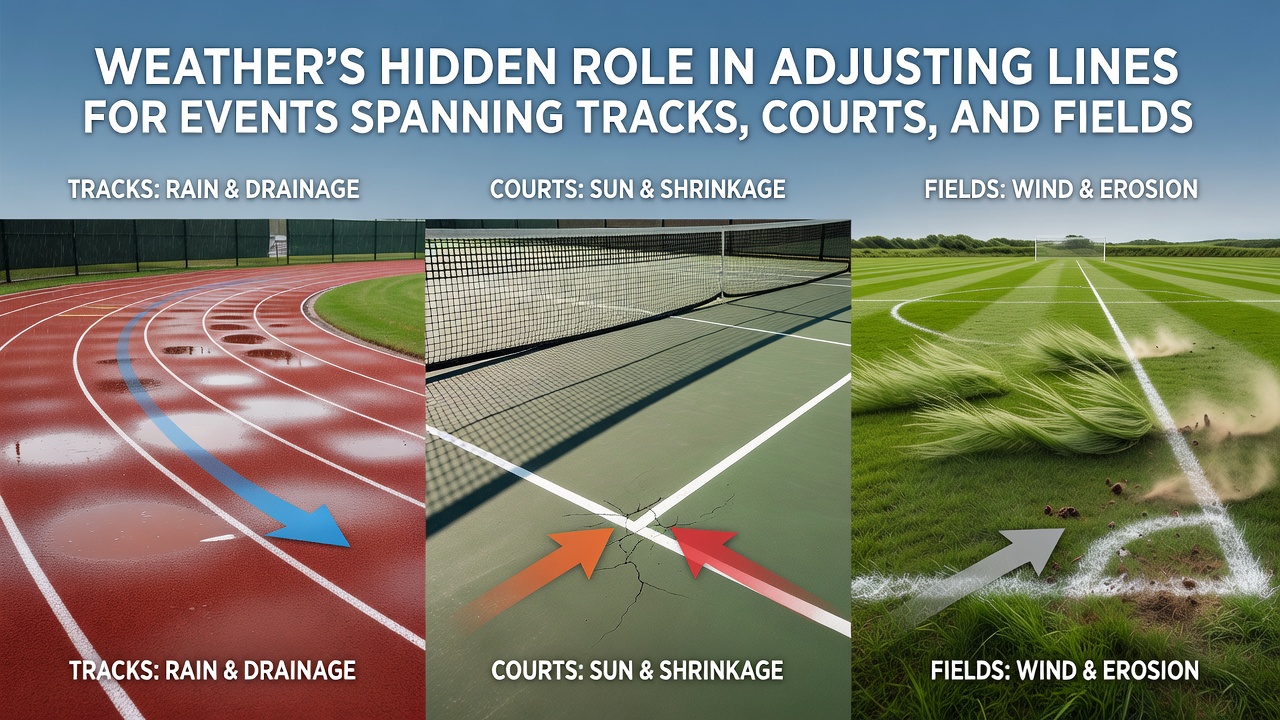
 Weather patterns influence how betting operators adjust lines for outdoor events, and data from multiple regions shows measurable shifts in odds when forecasts predict changes in temperature, precipitation, or wind. Observers note that these adjustments occur before events start on horse racing tracks, tennis courts, and various field surfaces because conditions alter performance variables that markets incorporate into pricing. Horse racing provides clear examples where track surfaces respond directly to rainfall or heat. Research indicates that firm ground versus soft ground changes average winning times, and bookmakers revise place and win probabilities accordingly. In June 2026, several major meetings across Europe and North America are projected to feature variable spring weather that typically leads to line movements of several percentage points in morning odds. Tennis matches on outdoor courts demonstrate similar dynamics. Clay and grass surfaces absorb moisture differently, which affects ball speed and bounce height according to studies compiled by meteorological agencies. When humidity rises or rain approaches, operators often tighten spreads on game totals or adjust set winner odds to reflect reduced serving percentages that historical records associate with those conditions. Field sports such as cricket and football show comparable effects when pitches lose grip or become heavier. Data collected by the Australian Bureau of Meteorology reveals that dew formation in evening sessions alters swing and seam movement for bowlers, prompting pre-match line recalibrations in limited-overs formats. Similar patterns appear in football when grass length and moisture content influence passing accuracy and injury rates tracked across professional leagues.
Track Conditions and Line Movements in Horse Racing
Track officials publish official going reports that betting markets monitor closely, and analysts have recorded consistent correlations between those reports and subsequent odds shifts. When forecasts call for overnight rain, operators widen prices on certain trainers known for wet-weather specialists while shortening others whose runners prefer faster surfaces. Wind direction also matters because crosswinds can affect times on straight courses, and records from major tracks show that such factors produce measurable deviations from baseline performance data.
Court Surface Reactions in Tennis Events
Outdoor tennis tournaments adjust schedules and court preparations based on temperature and precipitation models, which in turn feed into live and pre-match betting lines. High temperatures correlate with faster court speeds on hard surfaces, leading to lower totals on games per set, whereas cooler, damp conditions slow the ball and increase rally lengths. Operators apply these statistical relationships when setting over-under lines, and historical datasets confirm that the adjustments align closely with observed match outcomes under varying weather.
Field Sports and Weather-Driven Odds Changes
Cricket and football share exposure to field conditions that weather alters rapidly. In cricket, rain interruptions trigger revised target calculations under Duckworth-Lewis-Stern methods, and betting lines on match totals or innings runs move in response to updated forecasts. Football markets incorporate pitch inspections that assess waterlogging risks, and goal totals frequently compress when heavy rain is expected because passing ranges shorten and defensive setups tighten. Studies from North American and European climate centers document these patterns across multiple seasons, showing that operators incorporate forecast probabilities into line construction well before kickoff or first ball.
Forecast Integration and Market Timing
Operators integrate meteorological data from national services into their pricing algorithms, and timing of those updates affects how sharply lines move. When forecasts shift within 24 hours of an event, adjustments often accelerate because liquidity increases and sharp bettors react to new surface expectations. Records indicate that the magnitude of change varies by sport: horse racing lines tend to fluctuate more on declared going than tennis set totals do on court speed estimates, yet both respond measurably to the same underlying weather variables.
Regional Variations in Weather Impact
Geographic differences produce distinct adjustment patterns. Venues in temperate zones experience more frequent line revisions during transitional seasons, while desert or tropical locations see narrower ranges tied mainly to temperature extremes. Data compiled across hemispheres shows that June 2026 events in the northern summer schedule will likely follow established correlations between humidity spikes and reduced scoring outputs in several field sports.
Conclusion
Weather remains a quantifiable input that operators use to refine lines across tracks, courts, and fields, and the consistency of historical responses demonstrates how surface conditions translate into probability adjustments. Continued monitoring of forecast accuracy and market reactions will likely preserve these relationships in future schedules.