Squad Depth Charts Rewriting Value Lines in Soccer and Hoops Spread Markets
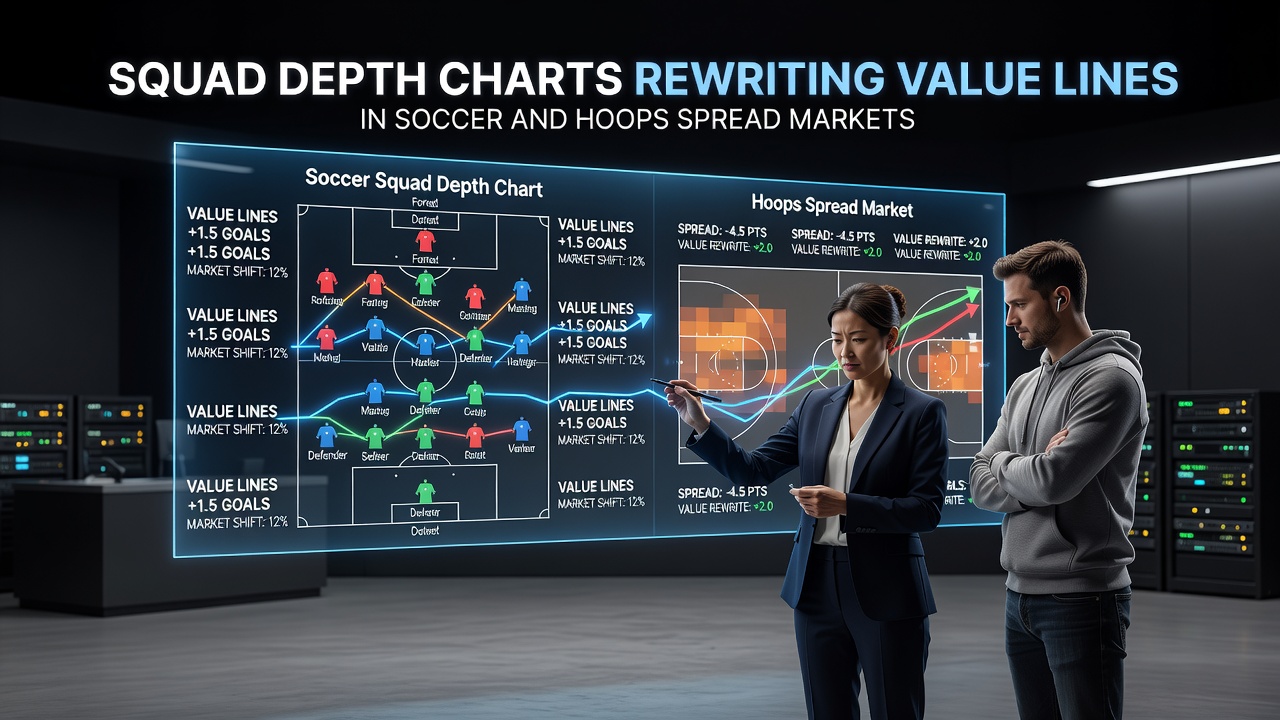
Depth charts have started reshaping how spread markets price soccer matches and basketball games because teams with stronger benches generate more consistent margins across full contests. Observers note that bookmakers adjust point spreads and goal lines when injury reports reveal thin rotations, since clubs relying on starters alone often see performance drops after the 70-minute mark in soccer or the third quarter in basketball.
Data from major leagues shows that sides with multiple reliable options in key positions cover spreads at higher rates during congested schedules, while shallow squads struggle to maintain leads. In June 2026 transfer windows open across Europe and the NBA offseason brings roster adjustments that directly influence early betting lines for the coming campaigns.
Depth Metrics in Soccer Spread Pricing
Soccer spread markets incorporate squad depth through expected substitution patterns and fatigue models because coaches who rotate effectively keep goal differentials stable even against strong opponents. Analysts track metrics like minutes per player across positions, and leagues publish these figures weekly so markets can price how teams handle midweek fixtures followed by weekend matches.
Teams that maintain four or more players capable of starting at each defensive and midfield slot post better results against the spread when travel demands increase, whereas clubs limited to two quality options at a position see their lines move toward the opponent. Research from European performance institutes indicates that depth allows managers to preserve energy for closing stages where spreads often get decided.
Basketball Bench Production and Spread Adjustments
Basketball spreads react quickly to bench depth because rotation minutes determine whether a team sustains scoring pace throughout four quarters. NBA teams with scoring threats off the bench cover spreads more frequently during back-to-backs, and depth charts released before each series show how coaches plan to distribute minutes among reserves.
College programs and professional squads alike publish these charts during June evaluation periods, giving markets time to recalibrate lines ahead of summer showcases and international competitions. Studies compiled by North American sports analytics groups reveal that teams adding versatile bench players through the draft or free agency see their average spread margin improve by several points over a season.
Cross-Sport Patterns Emerging in 2026
Both sports display similar responses when depth charts change because injuries or transfers alter the reliability of late-game execution that spread bettors target. Soccer sides entering European competitions in June 2026 face squad rotation questions that mirror basketball teams preparing for summer leagues, and markets respond by tightening or widening lines based on available personnel.
One study released by an Australian wagering research center found that squads listing at least six players with prior high-minute experience in a given role produced steadier results against the spread than those depending on untested reserves. Bookmakers incorporate these patterns into models that adjust soccer goal spreads and basketball point spreads simultaneously during overlapping seasons.
Market Reactions to Roster Changes
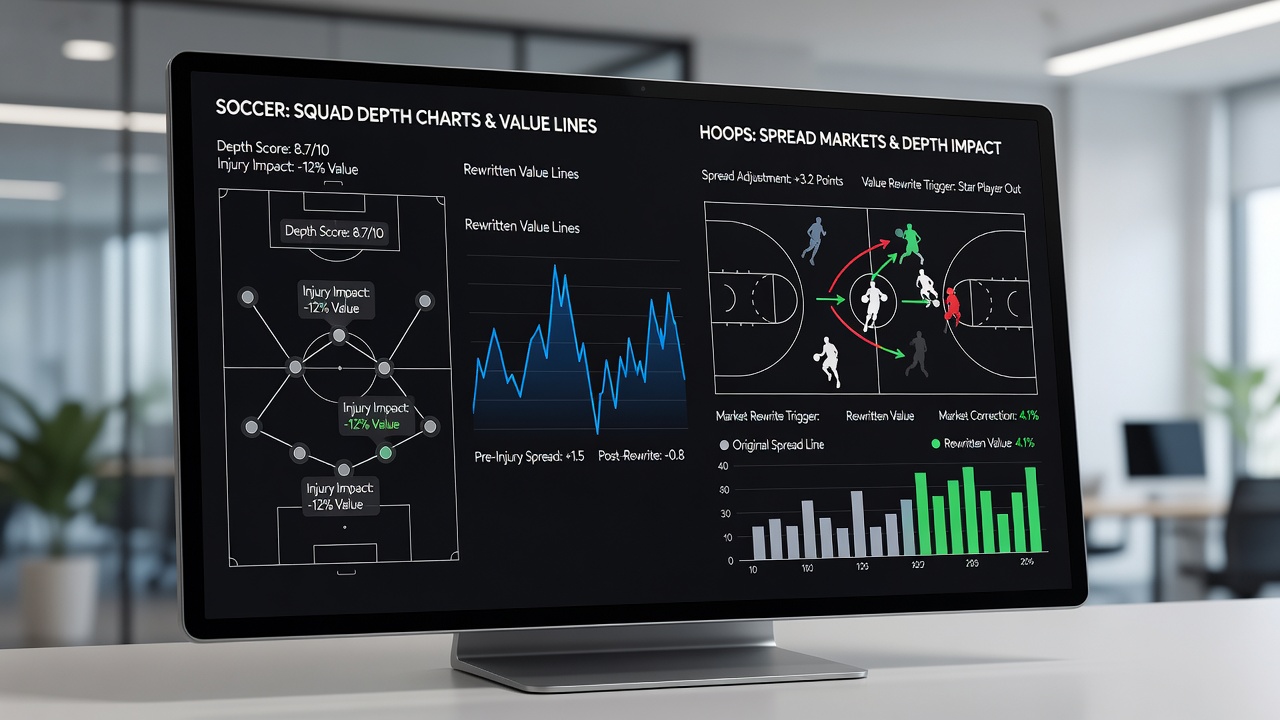
Betting lines shift when official depth charts appear because sharp bettors compare listed starters and reserves against historical performance data. Soccer clubs announcing new signings in June 2026 see immediate movement in handicap markets for opening fixtures, while basketball organizations releasing training camp rosters trigger adjustments in totals and spreads for preseason games.
Canadian regulatory reports on gaming activity show increased handle on these sports when depth information becomes public, since bettors seek edges from early roster clarity. Markets also monitor how academies feed senior squads because young players stepping into rotation roles can stabilize or destabilize spreads depending on their adaptation speed.
Data Sources Informing Line Movement
Industry organizations such as the American Gaming Association track how roster disclosures affect betting volumes across soccer and basketball. European performance databases supply granular substitution data that feeds pricing algorithms, and these inputs help markets differentiate between teams with genuine depth and those relying on star players alone.
Figures from international sports federations indicate that clubs publishing detailed depth information experience more efficient line setting because public access reduces information asymmetry. Observers note that spread markets in both sports now integrate squad analysis alongside traditional factors like home advantage and recent form.
Conclusion
Squad depth charts continue to influence soccer and basketball spread markets through their impact on rotation reliability and late-contest execution. As June 2026 roster movements unfold, markets incorporate these changes into lines that reflect available personnel across positions. Data from multiple regions shows consistent patterns where stronger benches correlate with improved spread coverage rates, and this relationship guides pricing models used by operators worldwide.