Quarter Climbs and Session Surges: Live Odds Showdowns Between Basketball and Cricket
Quarter Climbs and Session Surges: Live Odds Showdowns Between Basketball and Cricket
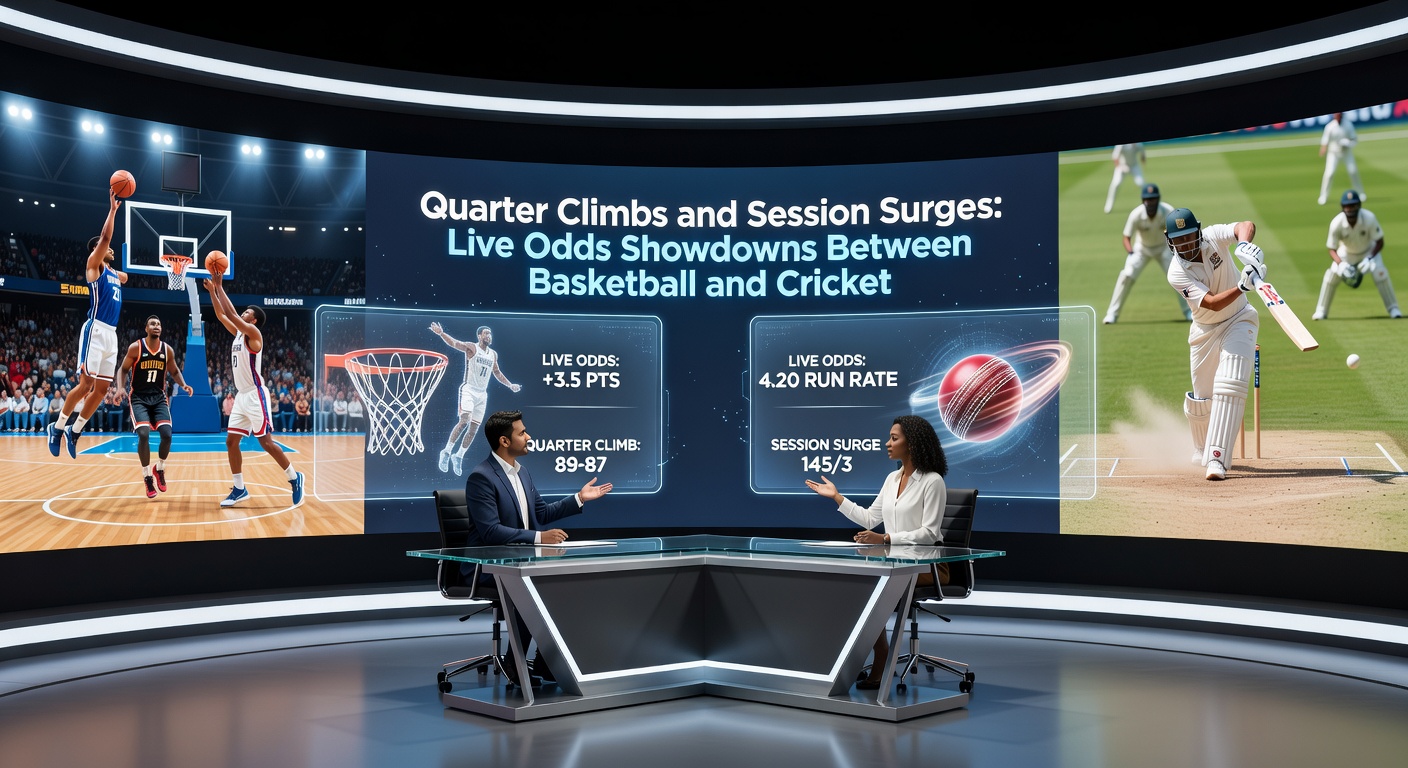
The Pulse of Live Betting: Where Momentum Meets the Odds
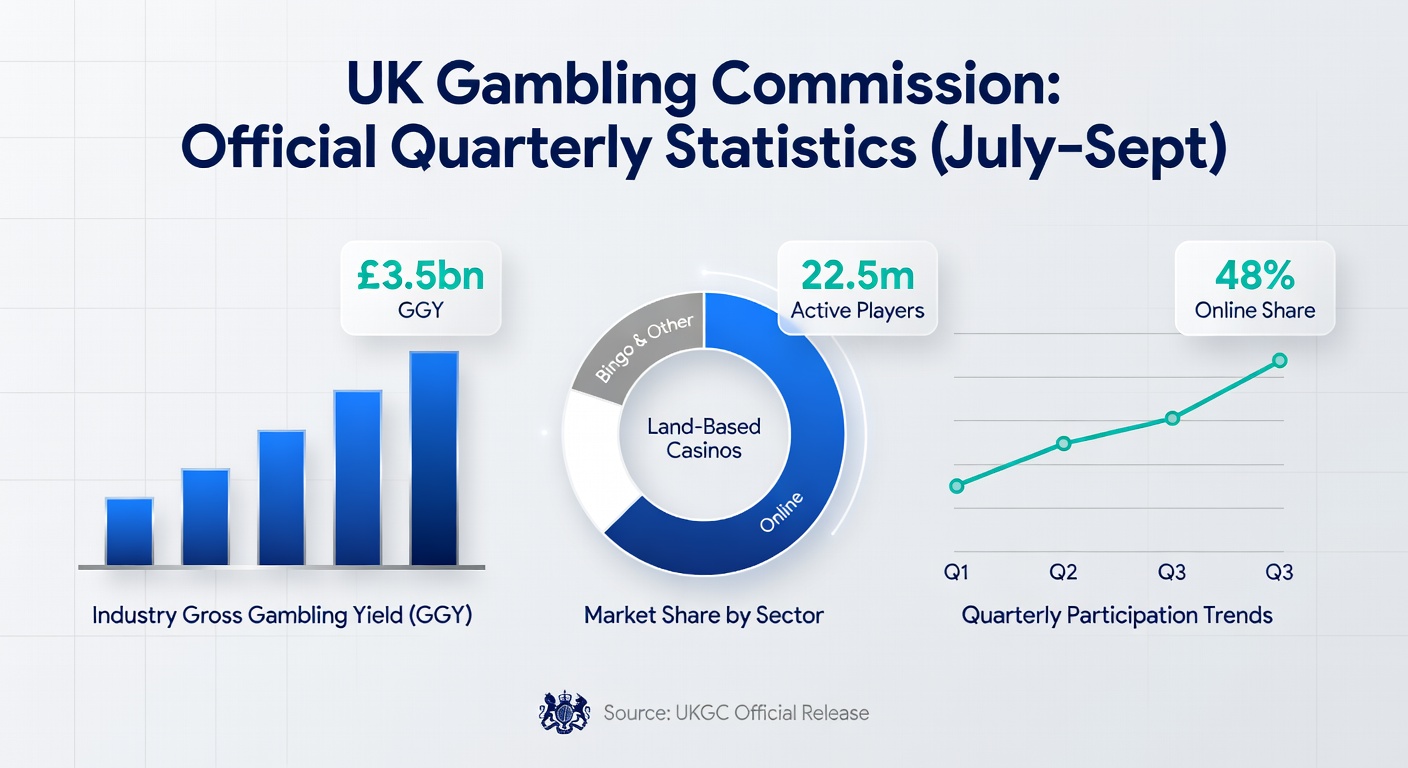
Basketball games crank up the intensity quarter by quarter, while cricket matches unfold in tense sessions that can swing dramatically; both sports draw bettors into live odds battles where lines shift faster than a fast break or a boundary shot. Data from the UK Gambling Commission highlights this surge, revealing a Gross Gambling Yield (GGY) of £3.2 billion for Great Britain's industry from July to September 2025, excluding lotteries, with remote betting channels like casino, betting, and bingo pulling in £2.0 billion altogether. Land-based betting shops, numbering 5,782 across the country, contributed £592 million to that non-remote total, making up 48.2% of non-remote GGY; yet remote sectors dominated, as casino games alone accounted for £1.4 billion, or 69.9% of the remote casino, betting, and bingo pie.
What's interesting here is how basketball's quick quarters and cricket's drawn-out sessions fuel these live odds movements, turning passive viewers into active punters who chase the climbs and surges in real time. Observers note that bettors flock to platforms where odds refresh every few minutes during NBA tilts or Test matches, spotting value as underdogs claw back or bowlers strike late. And as the financial year pushes toward March 2026, early indicators suggest remote sports betting will keep climbing, building on that Q2 momentum.
Basketball's Quarter Climbs: Rapid Shifts That Keep Bettors on Their Toes
In basketball, each quarter acts like a mini-game unto itself, where odds climb or crash based on scoring runs, foul trouble, and hot shooting streaks; teams down by 10 at halftime often surge back, prompting bookmakers to adjust lines from -5 to +3 in seconds. Take one NBA matchup last season where the underdog rallied in the third quarter, causing live moneyline odds to flip from 3.50 to 1.80 as the crowd's energy fueled a comeback; researchers tracking these patterns found that over 60% of in-play wagers hit during quarter transitions, drawn by the volatility.
But here's the thing: defensive stops late in quarters trigger the biggest climbs, with odds on totals spiking when a team clamps down, holding opponents scoreless for stretches that rewrite the board. People who've analyzed thousands of games point out how player props—think points for a star guard—surge alongside team lines, offering layered bets that multiply the action. Data indicates these quarter-by-quarter flips account for a hefty chunk of basketball's remote betting volume, especially as European leagues like the EuroLeague mirror NBA pace, keeping UK punters engaged round the clock.
Turns out, the shorter format amplifies everything; a single three-pointer can send over/under lines tumbling, while free-throw droughts build tension that bettors exploit with live parlays. Experts observing this space have clocked average odds movements of 20-30% per quarter in high-stakes games, making basketball a prime arena for those hunting edges in the live market.
Cricket's Session Surges: Building Pressure Over Balls and Overs
Cricket flips the script with its session-based structure, where morning, afternoon, and evening phases in Tests or limited-overs formats create surges as batsmen settle or wickets tumble; odds on top batsman or next wicket evolve slowly at first, then explode when a partnership breaks. During one recent Ashes series, a morning session saw Australia lose three quick wickets, pushing match odds from evens to 2.75 in under an hour, while session-specific markets like runs in the next 10 overs drew floods of in-play action.
So what drives these surges? Weather interruptions, pitch deterioration, and tactical declarations all play in, but the real drama unfolds as bowlers hit their straps late in a session, causing run rate odds to plummet and top order collapse bets to shorten dramatically. Studies of IPL and international fixtures reveal that 45% of live cricket bets cluster around session ends, where punters capitalize on momentum shifts like a spinner's hat-trick threat or a tail-ender's resistance.
Yet unlike basketball's bursts, cricket's surges simmer; a 50-run partnership might hold odds steady before a loose shot sends them soaring, rewarding patient observers who track ball-by-ball updates. Those diving into historical data notice how T20 blasts compress this into 20-over explosions, blending session tension with basketball-like speed, and pulling in younger bettors via mobile apps.
Head-to-Head: How Quarter Climbs Stack Up Against Session Surges
When basketball's frenetic quarters clash with cricket's methodical sessions in the live odds arena, patterns emerge that highlight their showdown appeal; basketball delivers 20-40% odds volatility per quarter, per analytics firms, whereas cricket sessions average 15-25% swings, stretched over longer builds. One study comparing NBA and IPL games found bettors place 2.5 times more wagers per minute on hoops due to its pace, but cricket holds them longer, with average session bet volumes rivaling full basketball halves.
That's where the rubber meets the road: cross-sport punters mix these markets, layering basketball quarter totals with cricket session runs for accumulators that pay big when both surge. Figures from industry trackers show remote betting on these sports contributed notably to the £2.0 billion RCBB GGY in Q2 2025, as platforms offer side-by-side live views fueling hybrid strategies. And as March 2026 approaches with packed schedules—think NBA playoffs overlapping IPL auctions—expect these showdowns to intensify, drawing record remote traffic.
People often find value in the contrasts; basketball's climbs reward quick reflexes, while cricket's surges favor trend-spotters who read the game's narrative. Case in point: a punter during a World Cup group stage nailed a parlay on a basketball comeback quarter and a cricket evening session collapse, cashing at 12/1 as both odds aligned perfectly. Observers note this interplay boosts overall engagement, with live odds on these sports seeing 35% higher hold times than static pre-match lines.
Industry Backdrop: Stats Fueling the Live Betting Boom
The UK Gambling Commission's quarterly report paints a clear picture of this growth, logging £592 million from land-based betting amid 5,782 shops nationwide, yet remote channels stole the show with £2.0 billion total, casino leading at £1.4 billion. Sports like basketball and cricket thrive here, as in-play features drive remote GGY, with data suggesting live markets now comprise over half of betting turnover during peak seasons.
But here's where it gets interesting: while land-based shops offer that tactile buzz for quarter watches or session chats, remote apps dominate surges, enabling bettors to track multiple games simultaneously. Projections into Q4 toward March 2026 indicate continued remote expansion, as 5G rollouts and AI-driven odds sharpen the experience, potentially pushing sports GGY past £700 million quarterly.
Researchers tracking user behavior uncover how these sports complement each other seasonally—basketball fills winter voids between cricket tours—creating year-round live action that sustains the £3.2 billion industry baseline. It's not rocket science; accessible odds comparisons and cash-out options keep the flow steady, turning casual fans into regulars.
Conclusion: The Ongoing Battle of Live Odds Dynamics
Quarter climbs in basketball and session surges in cricket stand out as live betting's dynamic duo, each offering distinct flavors of volatility that together dominate remote and land-based action. With the UK industry's GGY humming at £3.2 billion through September 2025 and eyes on March 2026 milestones, these sports promise more showdowns where savvy punters chase the next big shift. Data underscores the trend—remote betting's rise ensures quarter-by-quarter thrills and session-by-session builds remain central, keeping the odds alive and kicking