Charting Venue Adaptation Patterns in Layered Event Selections Across Athletic Formats
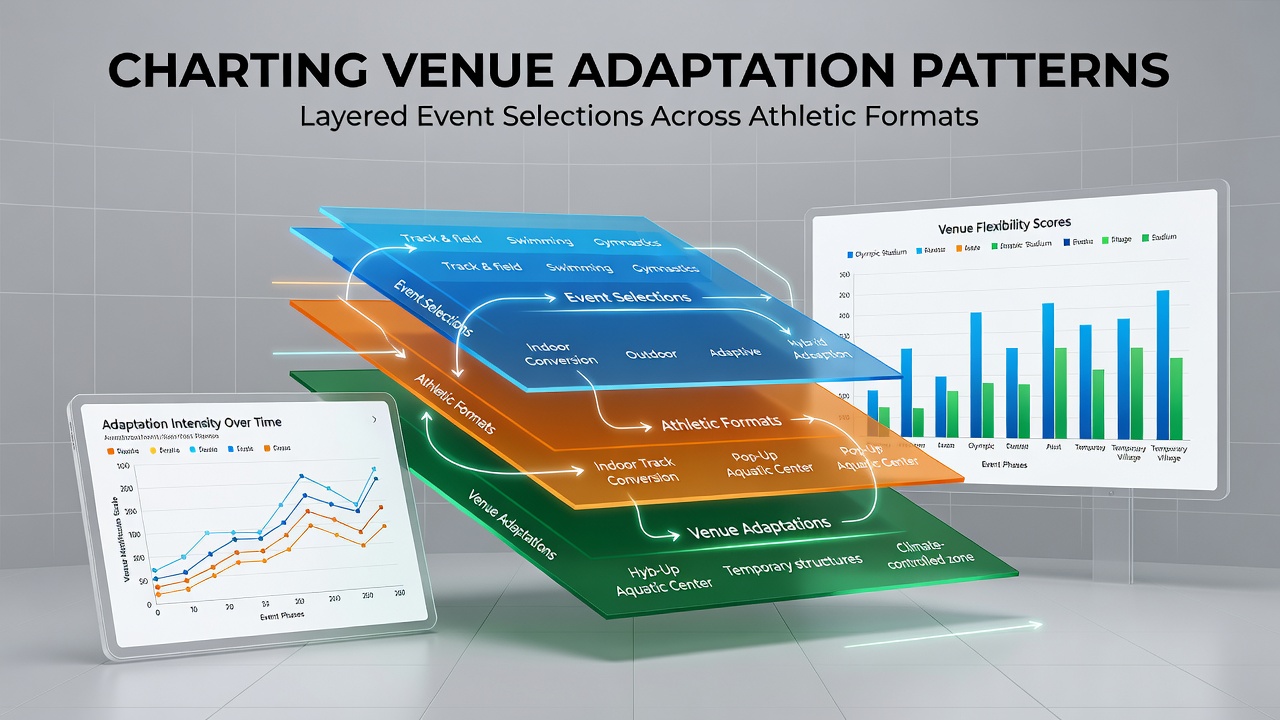
Venue adaptation patterns emerge clearly when researchers examine how competitors adjust across layered selections in different athletic formats, and data from multi-round competitions reveal consistent trends in performance shifts tied to location variables. Studies track these adjustments through metrics like movement efficiency, recovery intervals, and tactical modifications that athletes apply when moving from preliminary rounds to final stages at varying sites.
Core Elements of Venue Influence
Physical environments shape outcomes in structured ways, with surface composition, altitude, climate controls, and crowd proximity all feeding into measurable response patterns. Researchers at institutions such as the Australian Institute of Sport have documented how track athletes alter stride mechanics and pacing strategies when transitioning between indoor facilities and outdoor stadiums during successive qualification rounds. These shifts appear most pronounced in events that span multiple days and require repeated exposure to the same or contrasting conditions.
Basketball programs competing in conference tournaments versus national playoff structures show parallel adjustments, with teams modifying defensive spacing and transition speed based on court dimensions and lighting configurations that differ from regular-season venues. Performance logs indicate that squads which systematically review prior venue data achieve more stable scoring distributions across elimination stages.
Layered Selection Dynamics in Individual Sports
Tennis provides a clear case study because grand-slam pathways contain explicit layers from qualifying draws through main-draw matches played on the same or changing surfaces. Players exhibit measurable changes in serve placement and rally length when adapting to new ball speeds and bounce characteristics between rounds, and longitudinal datasets compiled by the International Tennis Federation illustrate that those who maintain consistent preparation routines reduce unforced-error rates more effectively during later stages.
Swimming offers another lens, where layered trials leading into championship meets require athletes to recalibrate stroke timing and turn efficiency according to pool depth, water temperature, and lane configurations. Records from the World Aquatics Championships demonstrate that competitors who train at multiple facilities beforehand display smaller performance variances between heats and finals.
Team-Based Formats and Cross-Venue Patterns
Team sports introduce additional variables because collective decision-making must align with individual adaptations. Volleyball squads advancing through regional qualifiers to continental championships adjust blocking schemes and serve-receive formations in response to differing court materials and ceiling heights, while data collected by the European Volleyball Confederation shows that squads with dedicated venue-scouting protocols sustain higher side-out percentages in decisive matches.
Handball teams navigating domestic league playoffs and international tournaments encounter similar requirements, adapting fast-break execution and defensive pressing triggers to arena acoustics and playing-surface traction levels. Analysts note that preparation involving simulated crowd noise and altered lighting produces more predictable output across successive elimination rounds.
Measurement Approaches and Recent Observations
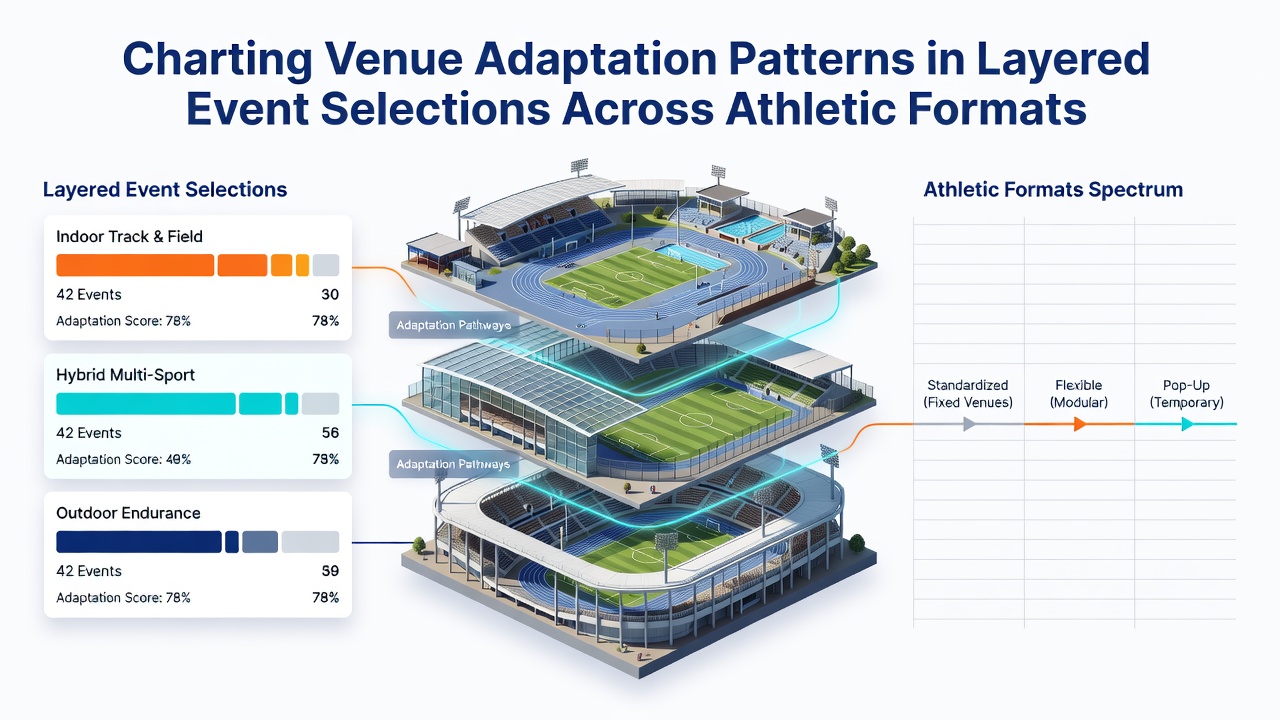
Modern tracking technologies enable precise mapping of these adaptation patterns, with wearable sensors and video analytics capturing micro-adjustments in footwork, breathing cadence, and spatial awareness. Academic teams at institutions including the University of Waterloo have published findings indicating that athletes who incorporate venue-specific simulations into training cycles demonstrate reduced physiological stress markers during high-stakes later rounds.
June 2026 brings added relevance as several international federations finalize qualification pathways for major multi-sport gatherings, and governing bodies continue to release aggregated datasets that allow comparative analysis across formats. These releases highlight recurring themes: early-round performers who secure favorable venue draws often refine recovery protocols before deeper stages, while those facing repeated travel between contrasting climates show greater variability unless structured acclimatization periods are applied.
Cross-Format Comparisons
Observers comparing individual and team environments find that adaptation speed differs by sport architecture. Racquet sports reward rapid surface-specific tactical shifts, whereas endurance-based events emphasize gradual physiological recalibration. Yet both categories benefit from systematic review of historical venue data, and federations increasingly publish open-access repositories that support such analysis without requiring proprietary software.
Training-method studies further indicate that athletes who rotate practice locations during preparatory phases achieve smoother transitions when layered selections span multiple countries or climate zones. These patterns hold across summer and winter disciplines, suggesting that the underlying mechanisms of environmental recalibration share common elements regardless of the athletic format.
Conclusion
Venue adaptation in layered athletic selections follows identifiable, data-supported pathways that vary by sport structure yet share measurable principles. Continued collection and public dissemination of performance records from events scheduled through 2026 will allow researchers and practitioners to refine preparation frameworks and track how competitors integrate environmental variables into successive rounds. Such documentation supports clearer understanding of how location factors interact with selection-layer demands across athletic disciplines.